Hair transplant
For a receding hairline or areas of established hair loss. Planning considers your donor hair, hairline design and likely future thinning.
Explore hair transplant Chat on WhatsApp
MONARIS HAIR CLINIC · INDIA
From your first signs of thinning to planning a hair transplant, explore your options with Monaris Hair Clinic in Delhi and Indore.
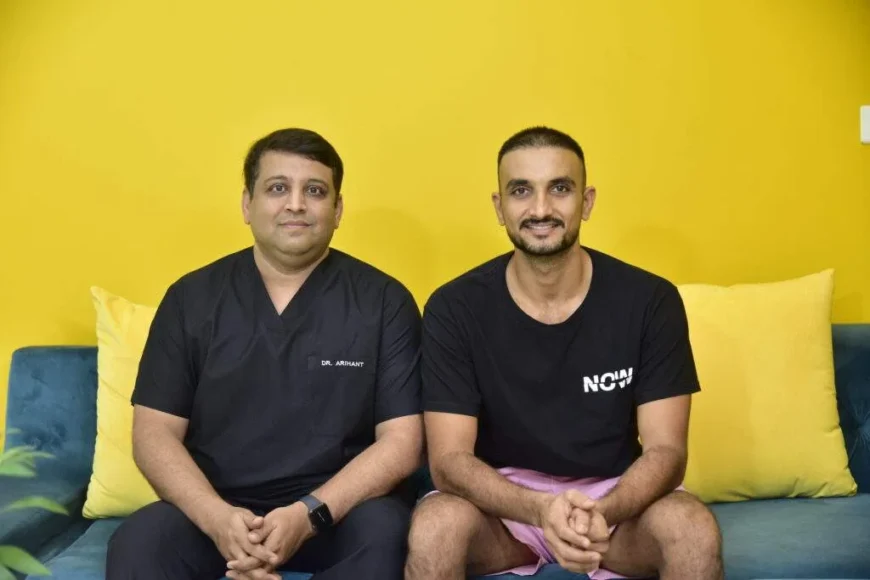
With Dr. Arihant Surana · Dermatologist & Hair Transplant Surgeon
START WITH YOUR CONCERN
Not every type of hair loss needs surgery. Start with an assessment, then choose a treatment based on your diagnosis, goals and medical suitability.
For a receding hairline or areas of established hair loss. Planning considers your donor hair, hairline design and likely future thinning.
Explore hair transplantAn assessment of a previous transplant, including hairline appearance, density and remaining donor supply. Repair options depend on the original procedure and available hair.
Explore hair transplant repairExplore facial-hair transplantation for selected areas of sparse growth. Direction, angle and distribution of transplanted hair are important parts of the plan.
Explore beard & moustache transplantDiscuss eyebrow reconstruction, shape and maintenance with the doctor. Suitability depends on the cause of eyebrow loss and the condition of the skin.
Explore eyebrow transplantUnderstand your pattern of thinning and discuss medical treatment, monitoring or surgery. A transplant does not prevent ongoing loss of your existing hair.
Explore male pattern baldnessFor increased shedding, diffuse thinning or a changing hairline. Identifying the cause helps determine whether treatment, investigations or observation is appropriate.
Explore hair-loss assessmentLearn about the clinic’s growth factor concentrate treatment for hair concerns. Ask about the evidence, suitability, possible side effects and alternatives before choosing a course.
Explore gfc treatmentPatchy hair loss needs a diagnosis and an individual treatment discussion. Alopecia areata is a medical condition; a hair transplant is not the usual starting point.
Explore alopecia areata careCompare hair patches and wigs as information only. Monaris has discontinued hair patch and non-surgical replacement services.
Read the comparison guideUNDERSTAND YOUR OPTIONS
Extraction, implantation and hairline design are different parts of a transplant. Discuss what each option means for your donor area, recovery and long-term goals.
Follicular unit extraction removes follicular units individually from the donor area. It leaves small scars and requires careful donor management.
Understand FUE →Follicular unit transplantation uses a strip of donor scalp from which grafts are prepared. It leaves a linear scar and may suit selected patients.
Understand FUT →Learn how direct implantation is described at Monaris and how it fits into the overall procedure. Ask how donor extraction and graft placement will be carried out.
Explore direct implantation →Explore the clinic’s AHT approach. Your consultation should clarify the steps involved, the surgeon’s role and how the proposed plan addresses your needs.
Explore AHT →No technique is right for everyone. All surgery carries risks, and results vary between individuals.
BEFORE YOU DECIDE
A consultation is your opportunity to understand the options, ask questions and make an informed decision.
Discuss when it started, your medical history and previous treatments. The doctor can assess your scalp and donor hair, and advise whether investigations are needed.
Review suitability, alternatives and realistic expectations. For surgery, discuss hairline design, donor limits, estimated graft needs, risks and a personalised cost estimate.
Ask about aftercare, time away from work and follow-up visits. Hair growth takes time; your doctor should explain the expected course and how ongoing hair loss will be managed.
HELPFUL ANSWERS
The cause and pattern of hair loss come first. Bring details of your symptoms, medicines and previous treatments to a consultation. The doctor can explain whether medical care, a transplant or a non-surgical option is appropriate.
No. Suitability depends on factors including the cause of hair loss, available donor hair, scalp health and expectations. An assessment is needed before recommending surgery.
The cost depends on the proposed procedure and your individual treatment needs. Ask for a written estimate after assessment, including what is covered, aftercare and any additional costs.
Yes. Contact Monaris to arrange an initial discussion and ask what photographs or records would be useful. An in-person examination may still be needed. See our information for international patients when planning travel.
Our clinics are in Defence Colony, Delhi, and Vijay Nagar, Indore. Visit the contact page for full addresses and directions, or call Delhi on +91 98186 42643 or Indore on +91 98108 85868.
Further patient information: NHS: hair transplant · American Academy of Dermatology: hair-loss diagnosis and treatment.
LET’S FIND YOUR NEXT STEP
Tell us what concerns you. We’ll help you arrange a consultation.
TREATMENT PATHWAYS
Hair-loss care is not one-size-fits-all. Start with diagnosis and donor assessment, then review the relevant treatment and clinic page instead of choosing by graft count or a package claim.