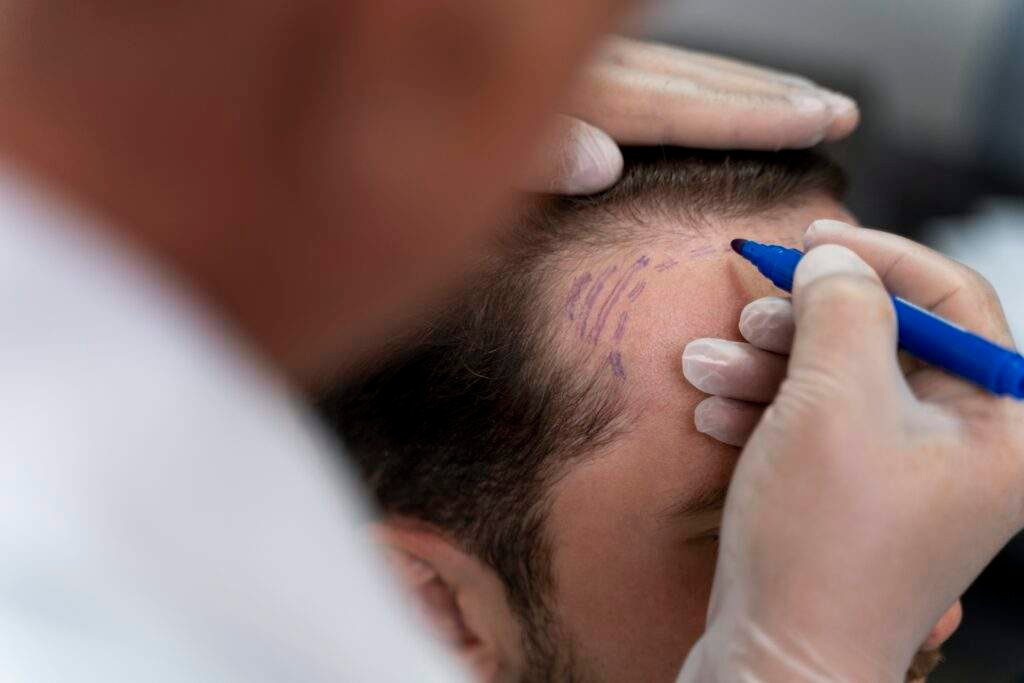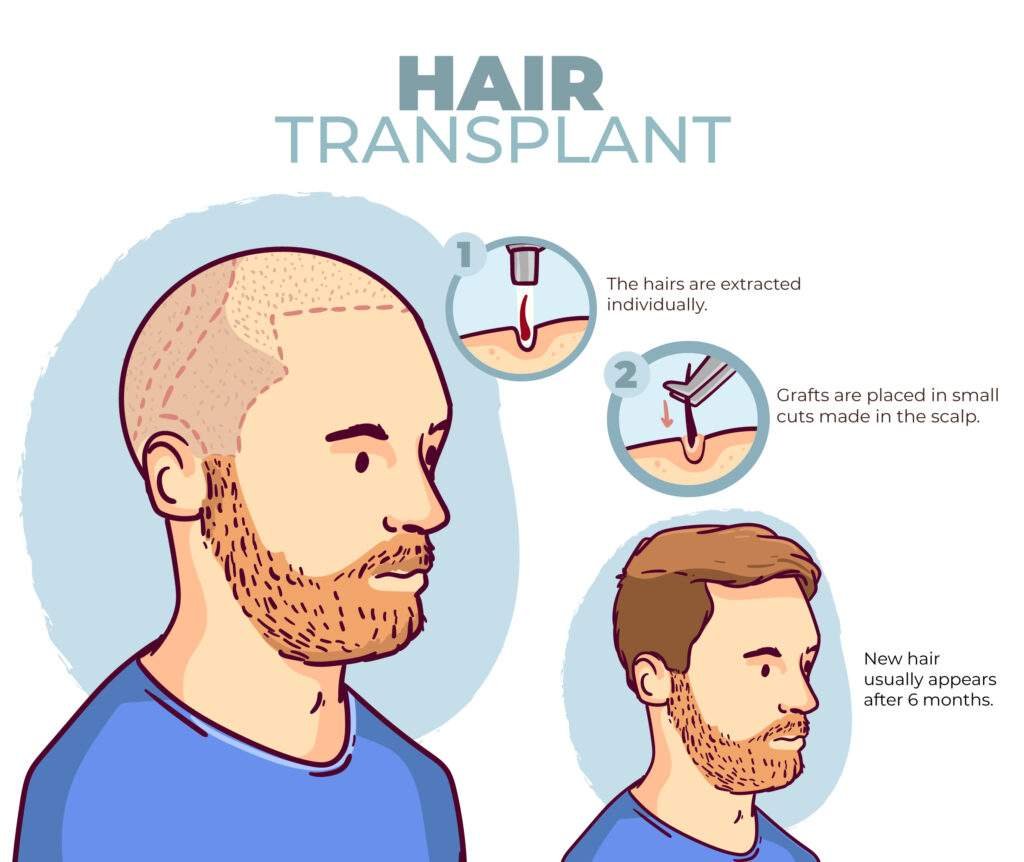
Hair transplants can provide long-lasting hair growth, but there is no guaranteed lifespan for every graft or every patient. The transplanted follicles and the surrounding, non-transplanted hair need to be considered separately. Existing hair can continue to thin, changing the appearance of the result over time.
Content updated: 26 October 2026. General patient information; individual advice requires a clinical assessment.
How long does a hair transplant last?
Donor hair is usually taken from the back or sides of the scalp, where follicles are relatively more resistant to the changes associated with male-pattern hair loss. This supports lasting growth, but does not mean every transplanted follicle is immune to future loss. Read the British Association of Dermatologists’ explanation of donor hair and pattern hair loss.
A useful consultation should address both your current thinning and how the hairline may look if more of your original hair is lost. Compare the proposed coverage, donor assessment and follow-up plan rather than relying on a “lifetime result” promise.
Early shedding is different from long-term thinning
The NHS hair-transplant guide describes shedding of transplanted hairs after a few weeks, new growth often beginning around four months, and full results taking approximately 10–18 months. These are broad reference points, not a personal deadline or a guarantee of growth.
Keep follow-up appointments so your surgeon can assess progress. Contact the treating clinic promptly for severe pain or unexpected symptoms rather than assuming every change is normal shedding.
Why can hair look thinner years after surgery?
Hair around the transplant can continue to thin. Surgery redistributes donor follicles; it does not stop the underlying progression of male-pattern hair loss. A dermatologist can assess whether the change involves existing hair, transplanted hair or another scalp condition.
Plan for care beyond the procedure
- Follow your surgeon’s instructions for washing, exercise and protecting the healing scalp. Ask when hats and scalp products can safely be used.
- Agree on review dates and what changes should prompt an earlier appointment.
- Ask whether treatment for ongoing hair loss is appropriate for you, including its benefits, risks and monitoring.
- Keep dated photographs in similar lighting for your consultations; changes in hairstyle and lighting can make comparisons misleading.
Questions to ask before deciding
- How has my donor area been assessed?
- How does the plan account for possible future thinning?
- Who will review healing and growth, and when?
- What happens if growth or coverage is less than expected?
- What would make another procedure appropriate, and what would rule it out?
Use our consultation checklist, FUE procedure guide and cost and quotation guide to prepare. Monaris offers assessments at its Delhi clinic and Indore clinic. An assessment does not commit you to surgery.